×

The Standard e-Paper
Informed Minds Prefer The Standard





Audio By Vocalize
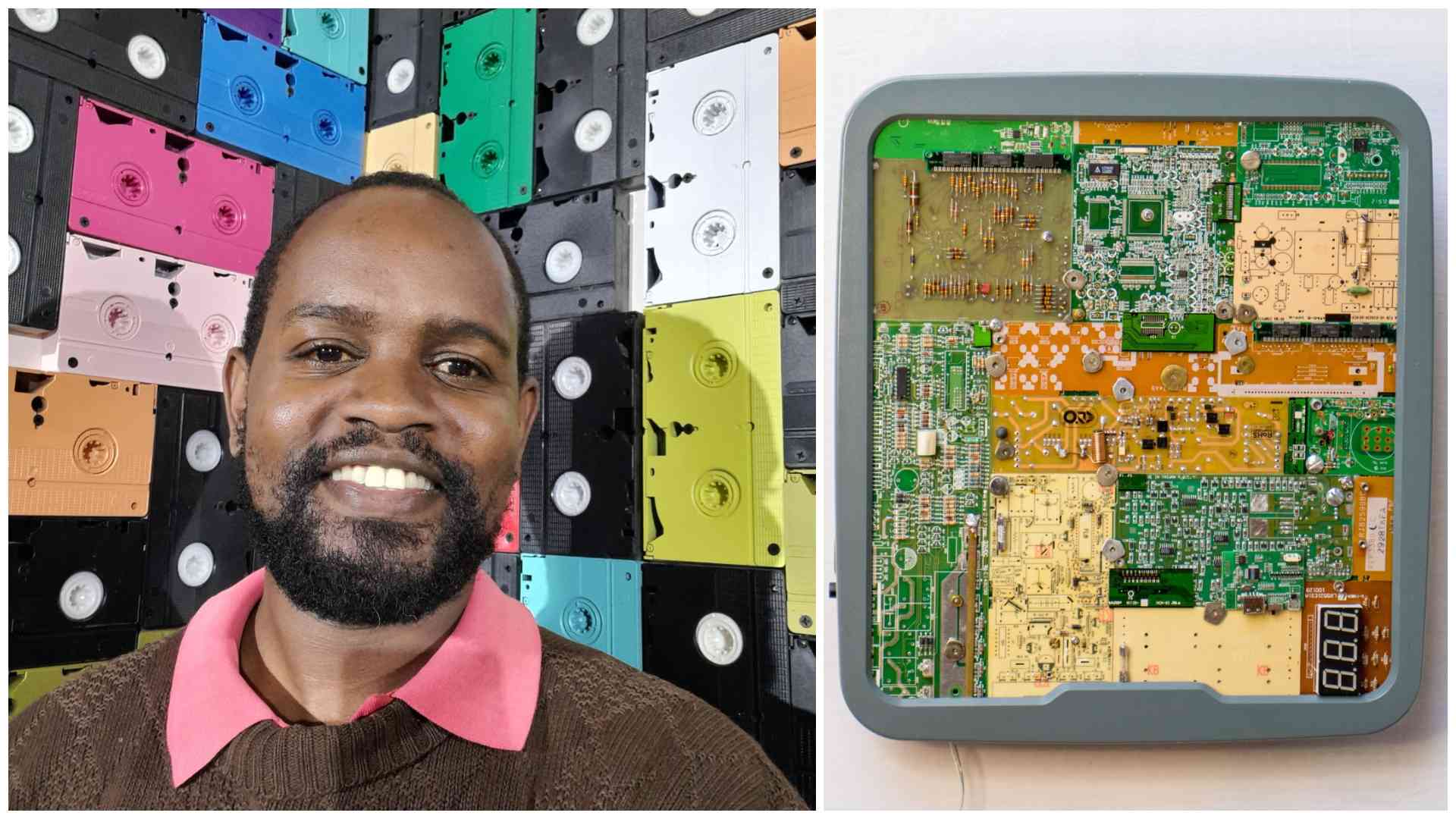
Evans Ngure is a sculptor who turns discarded materials into works of art inspired by nature, culture, contemporary life, wildlife, and everyday observations.
Working with scrap metal, found objects, twigs, and reclaimed materials, Ngure makes sculptures that celebrate wildlife, environmental sustainability, and social issues.
Being surrounded by nature during his upbringing in Ngong and education in the central highlands influenced his art and fascination with collecting objects.
As a child, he collected shells, pebbles, and coins and dismantled toys and electronics, habits that would later inspire his practice.
Growing up on a farm in Ngong gave him endless opportunities to explore insects, plants and wildlife.
Later, studying in the central highlands only strengthened it. He then pursued a Bachelor of Arts in Fine Art at Kenyatta University in Nairobi.
Ngure describes himself as a curious and experimental artist whose work revolves around nature. Many of his sculptures recreate small animals, while others are from personal experiences, social interactions, and relationships with the natural world.
“Looking back, I realised that those childhood experiences shaped the artists that I became, even though I didn’t know it at the time,” he expresses.
As an adult, Ngure immersed himself in painting until his fascination with physical objects led him towards jewellery-making, collage, and sculpture.
The transition wasn’t easy, as he had never made sculptures before. However, he loved working with tangible materials. He finds found objects unpredictable, and that unpredictability is what excites him.
Every discarded object, he explains, has its own history before he transforms it into a part of a sculpture.
“They have already lived a life before they reach me. By the time I finish working with them, they have acquired an entirely new personality,” he says.
Most of Ngure’s materials come from scrapyards and objects he finds while walking outdoors. He also receives donations from collectors, clients, and followers of his work.
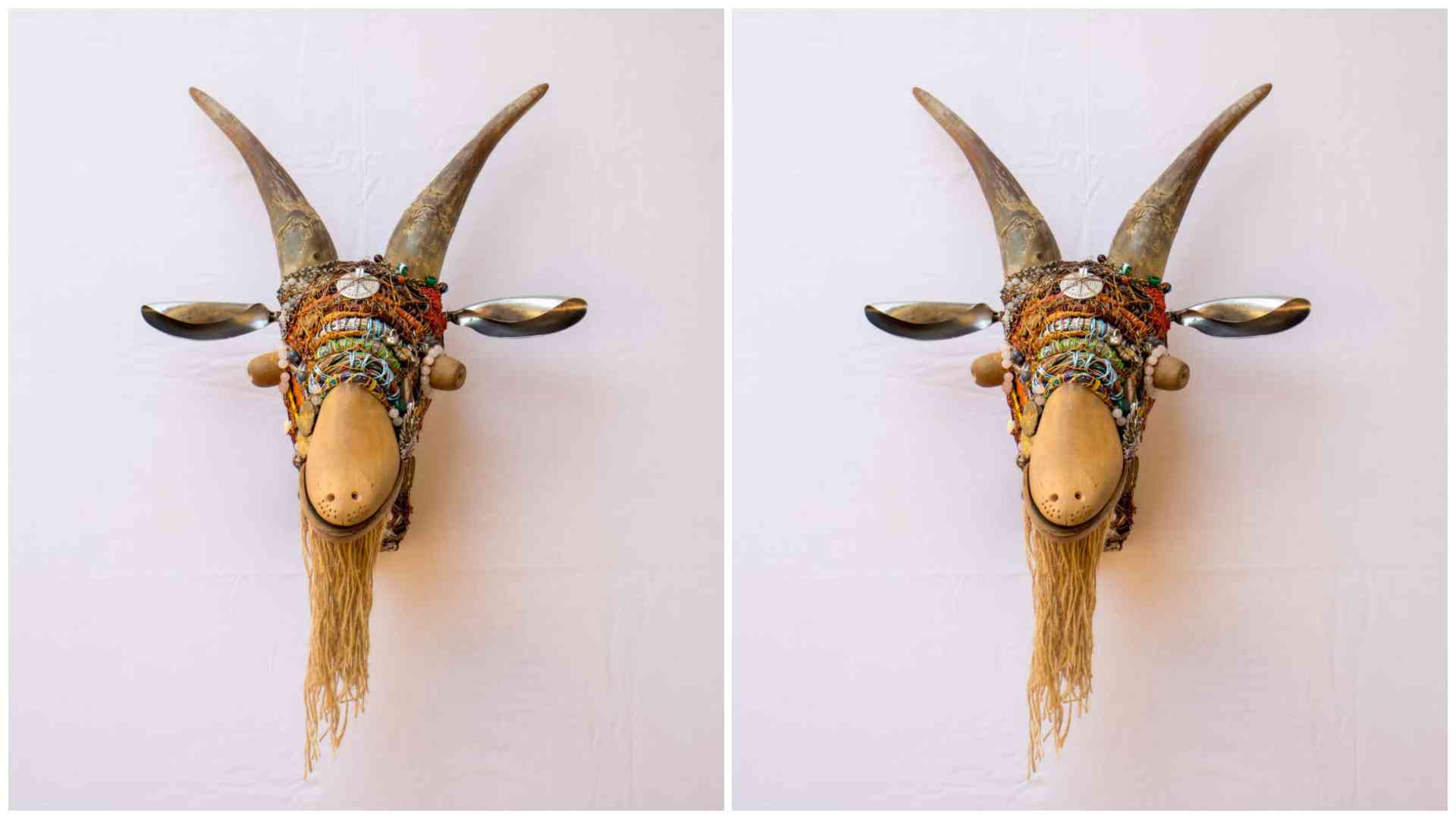
Some of the works respond to contemporary issues as seen in sculptures such as Teknologia and The Goat, while other times the inspiration comes from animals and the natural environment.
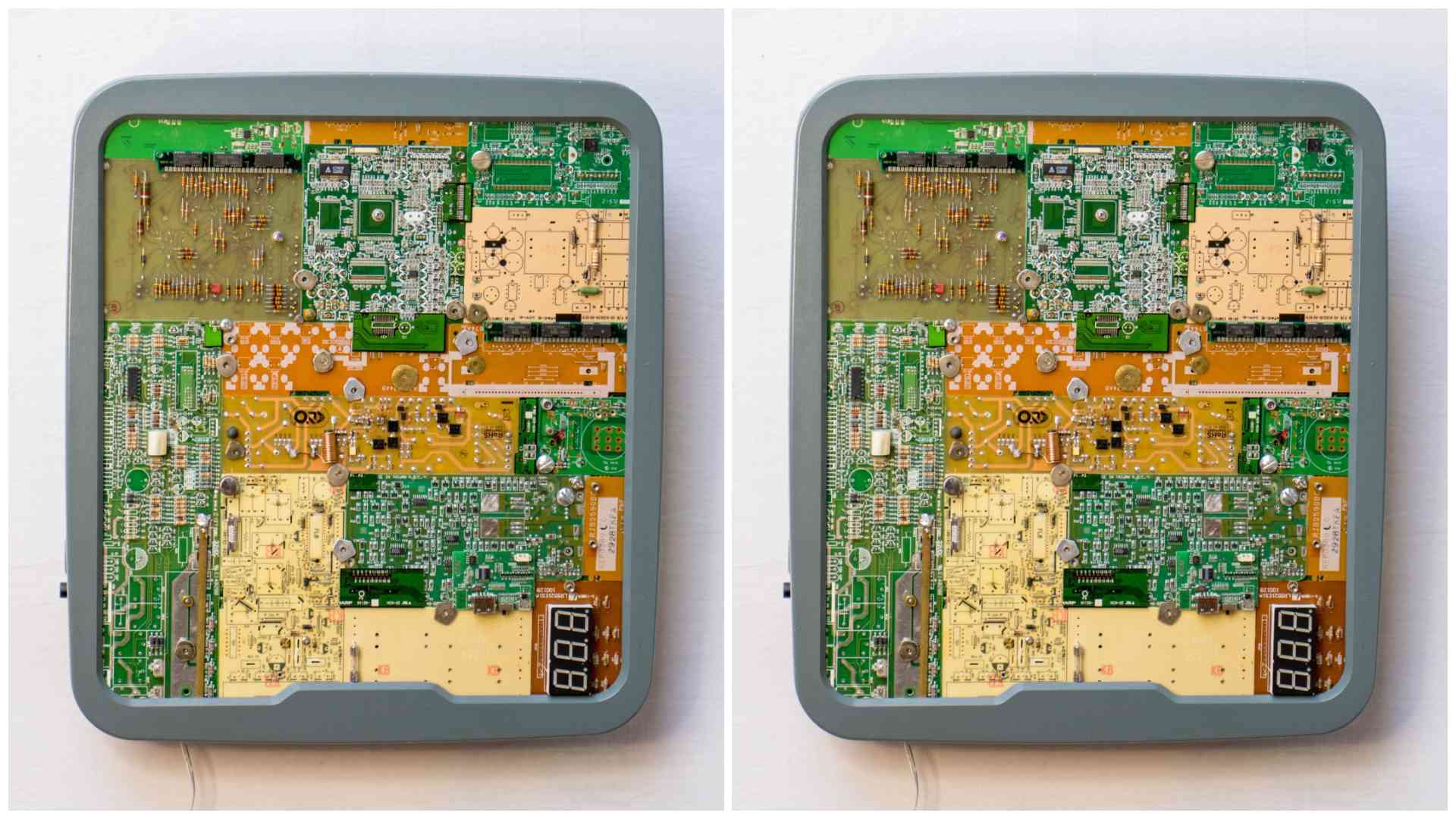
Tecknologia is a mixed-media assemblage of discarded electronic circuit boards in a grid within a frame.
The Goat is a mixed-media wall sculpture that depicts the head of a goat with curved horns and its face adorned with colourful electrical wires.
Tamaduni is a mixed-media wall assemblage that blends found objects and handcrafted elements from different cultural backgrounds, such as a decades-old Turkana wrist knife, an Indian figure, and materials collected in Kitui, shells, knobs, and painted robes, to show cultural coexistence and diversity.
Another piece, African Angel, is a mixed-media wall sculpture that portrays a winged, angel-like figure assembled from reclaimed wood, wire, metal, nails, beads, and other found objects. Brass wire forms expansive wings, while the body combines salvaged materials into an expressive, mask-like face.
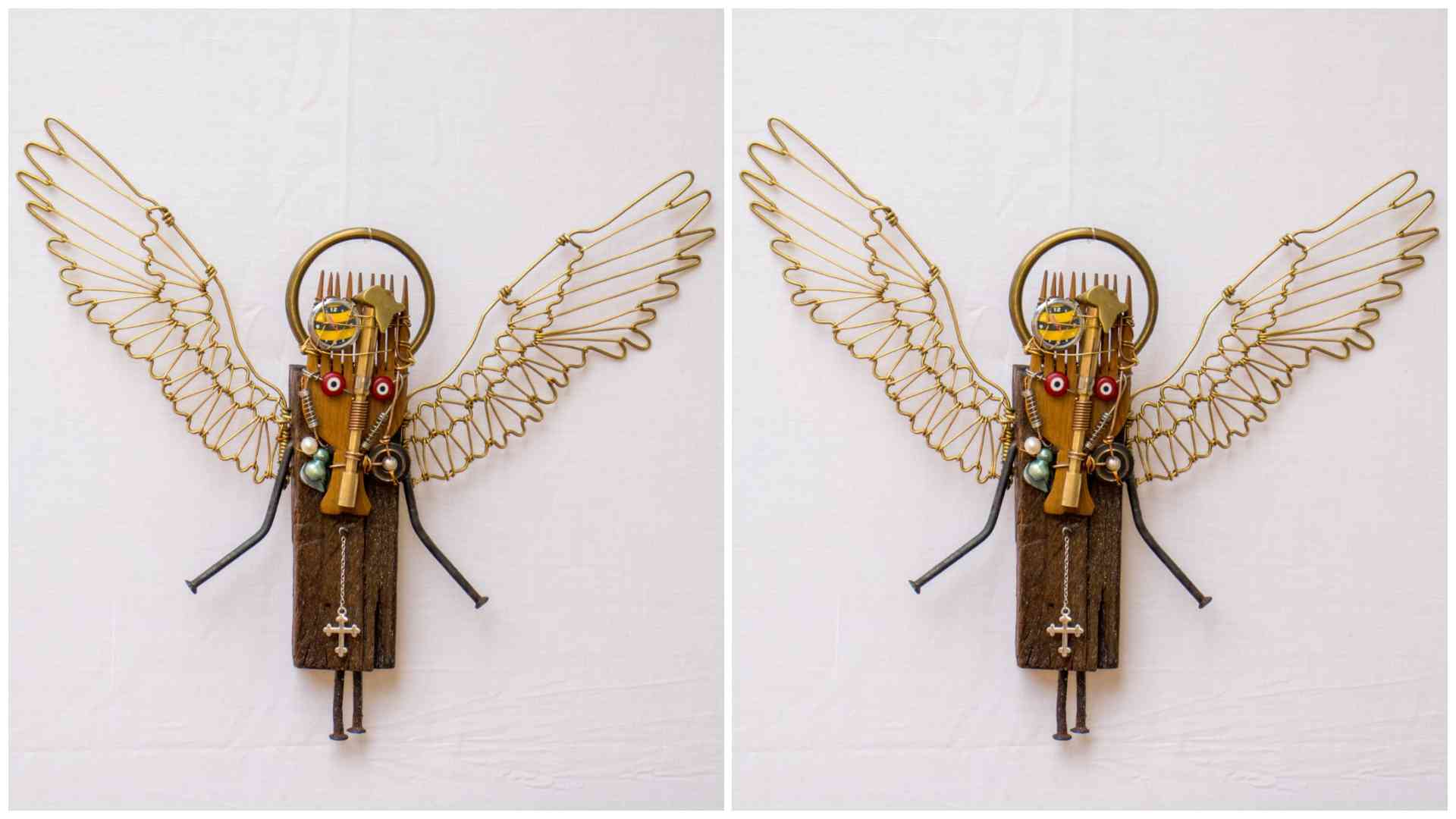
“The piece explores spirituality from an African perspective, inspired by birds, and represents traditional belief systems and Kikuyu cultural identity,” he says.
Two Hearts, One Beat celebrates love and partnership, using intertwined forms and welded red-toned wires to symbolise two people becoming one.
Another artwork, Gitaruru II, is a circular mixed-media wall piece intricately woven from strips of recycled magazine pages to form a vibrant mosaic with a circular element at the centre. Ngure says that the piece reimagines the traditional winnowing tray and reconnects him with his language and cultural heritage.
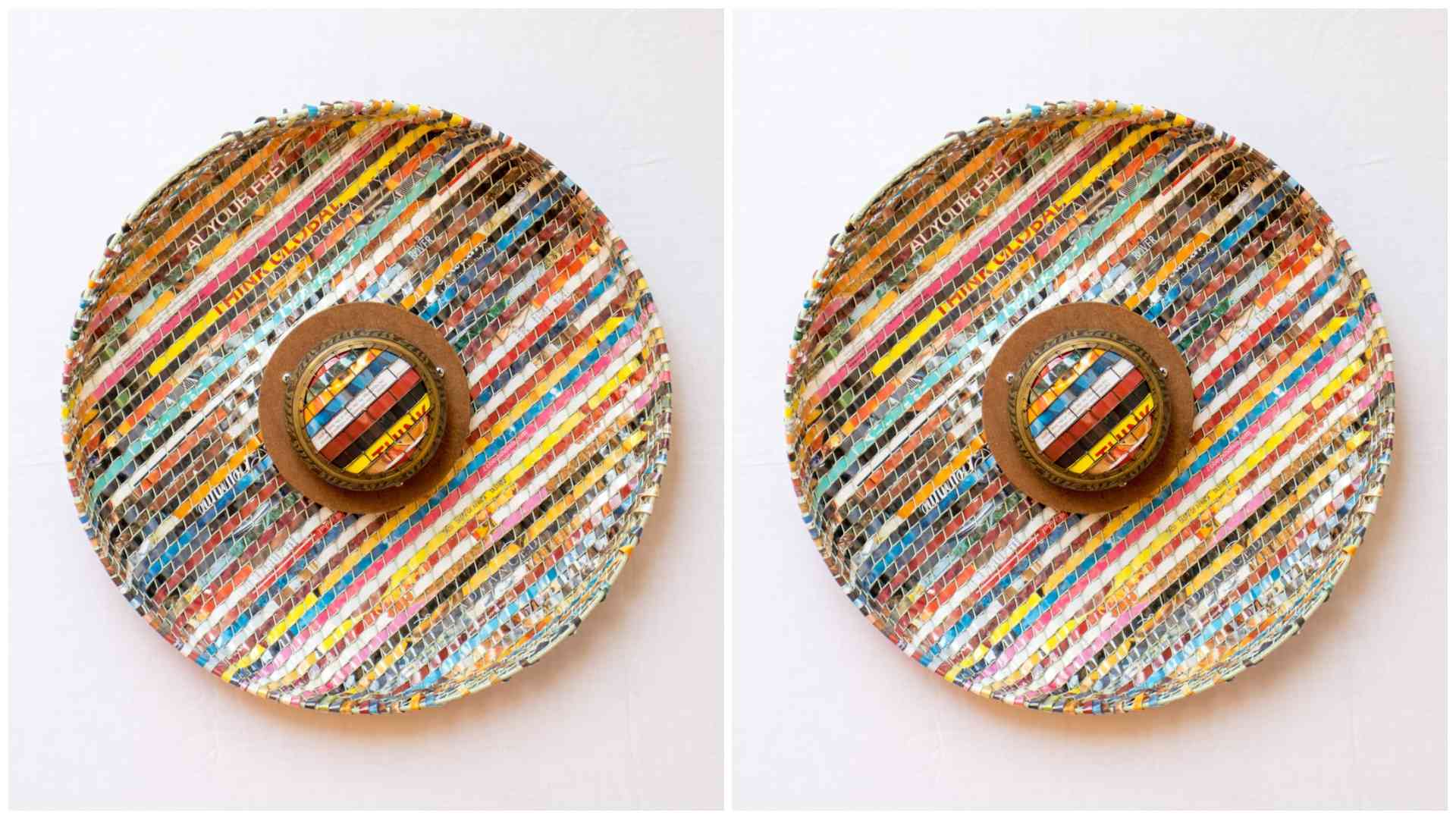
“I wasn’t taught Kikuyu growing up. Learning about my culture has become an important personal journey,” he says.
In 2023, through his sculpture titled Mwaura, he received the Outstanding Artwork award in the RCE Youth Art Challenge organised by the United Nations University Institute for the Advanced Study of Sustainability in partnership with UNESCO. Mwaura honours waste collectors whose work goes unnoticed.
The sculpture depicts a hand holding a magnet attached to a stick, a tool used by scrap metal collectors. The work was inspired by a waste picker that he regularly encountered while sourcing materials from a scrapyard in Githurai.
“Waste pickers are some of the most undervalued people in society, but they play a big role in managing the waste we throw away. When the United Nations recognised my artwork, I felt they were also recognising the important work done by people like Mwaura," he reflects.
Many of Ngure's sculptures address contemporary social themes. He is currently working on a sculpture of a traditional mask mounted on a pedestal with horns. The work explores changing ideas about identity and self-expression.
His next sculpture is titled Artist’s Chair, constructed from discarded fabric belts sourced from Gikomba Market. Once intended for a woven carpet, the materials will instead be transformed into functional furniture.
His creative process starts with an idea followed by a sketch. Since he has an extensive collection of found objects over the years, he knows which materials will best suit a particular sculpture.
“For instance, if I want to create a chameleon, I already know what I’m looking for before I even go to the scrapyard,” he explains.
The selected objects are then assembled onto a prepared wooden base before being welded or joined using screws, nails and wire.
Ngure hopes viewers reconnect with a sense of childlike curiosity when experiencing his work.
"I hope people experience the same playfulness and experimentation that I feel while creating. I want them to reconnect with the freedom children have before the pressures of the world influence them," he says.
Environmental conservation is a main goal in Ngure’s work. He believes that discarded objects deserve a second life, especially at a time when climate change affects communities around the world.
"When we talk about climate change, it's important that artists contribute to the conversation. My work encourages people to think differently about waste and reminds us that protecting the environment is our responsibility to future generations," he says.
He says that many collectors love his work due to its sustainable nature and then their personal connection to the subject. Some purchased sculptures are celebrating wildlife or marine life, while others are handmade artworks as meaningful gifts.
Subscribe to our newsletter and stay updated on the latest developments and special offers!